
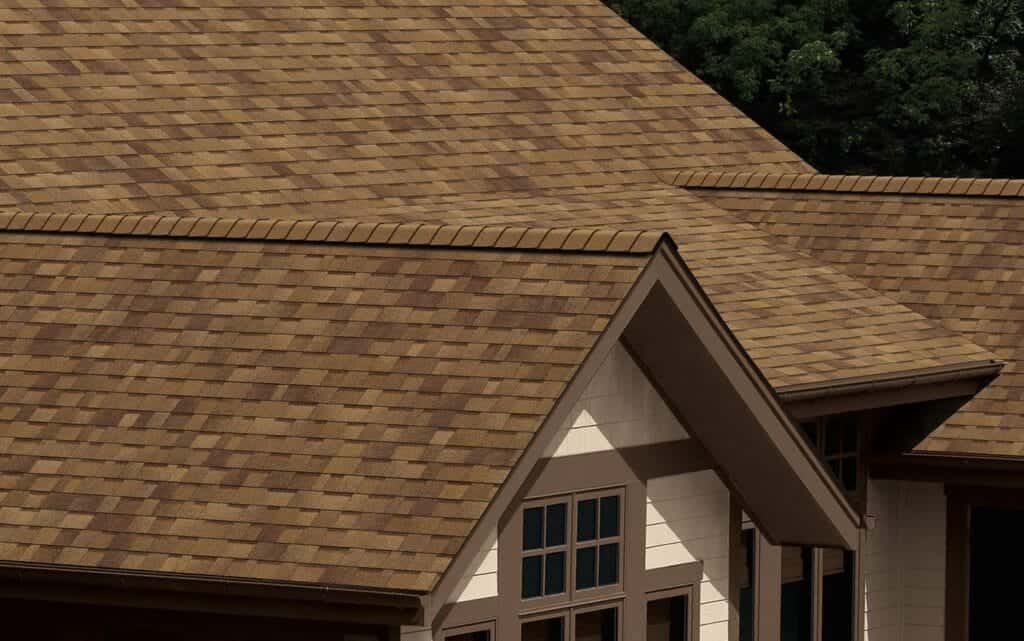
If you live in Denver, you already know that our weather is basically a full-contact sport for your roof. One season it’s golf ball-sized hail, the next it’s a massive snow load, high winds, and that intense mile-high UV exposure – sometimes all in the same week. Colorado weather never takes a day off, which means your roof can’t either.
That’s why picking a Denver roofing contractor is a bigger deal here than in other parts of the country. A roof that might coast through 30 years in a milder climate can fail way ahead of schedule if it’s not built specifically for the Front Range. If you’re looking for a roofer in the Denver area, this guide is meant to help you cut through the noise. We’ll cover what actually matters, what red flags to avoid, and how to make sure your next roof is built to last.
Why Denver’s Climate is So Brutal on Roofs
Your roof deals with a lot more than the occasional thunderstorm. Homes along the Front Range face a unique mix of extremes that quietly beat down your roofing system over time.
Some of the biggest hurdles include:
- Constant Hail: Those “bruises” on your shingles eventually turn into cracks and leaks.
- Heavy Snow: Massive snow loads put a lot of stress on your roof decking and ventilation.
- The Freeze-Thaw Yo-Yo: Rapid temperature swings cause materials to expand and shrink, which can tear through seals.
- High Winds: If a shingle isn’t installed perfectly, our Front Range gusts will find a way to lift it.
- High-Altitude Sun: At 5,280 feet, the UV rays act like an oven, drying out and aging shingles faster than anywhere else.
Because of this, roofing in Denver isn’t just about nailing down new shingles. It’s about building a system that understands how all these elements work against each other.
What Makes a Denver Roofing Contractor “Good”?
In a market prone to hail, not all contractors are created equal. After a big storm, Denver gets flooded with “storm chasers” who often vanish as fast as they appeared. A reputable local pro should check a few specific boxes.
Local Roots Matter A roofer who actually knows Denver neighborhoods and building codes will make better calls during the install. Plus, being local means they’ll actually be here five years from now if you need warranty work. They should know:
- Local Front Range building requirements inside and out.
- Common wind and hail damage patterns specific to our area.
- Which systems actually hold up at this elevation.
Straight Talk & Clear Communication Roofing is stressful, especially when insurance companies get involved. A good contractor will explain exactly what they see on your roof and why it matters without the high-pressure sales pitch. You should get a clear breakdown of:
- Whether a repair actually fixes the problem or if a replacement is truly needed.
- The pros and cons of different materials.
- Realistic timelines and a clear “scope of work” (no hidden surprises).
Legit Licensing and Insurance This is non-negotiable. Any company working on your home should have their licensing and insurance ready to show. If they hesitate to provide proof, that’s your cue to walk away.
Repair vs. Replacement: What Do You Actually Need?
One of the most common questions we get is: “Can I just patch this?” The answer usually comes down to the extent of the damage, especially after hail.
A repair might work if:
- The damage is just in one small spot.
- Your shingles are still relatively young and flexible.
- The wood underneath (the decking) is still in great shape.
Replacement is usually the call if:
- Hail damage is spread across the whole roof.
- You’re seeing “bruising” or a lot of sand-like granules in your gutters.
- The roof is hitting the end of its natural life or previous patches aren’t holding anymore.
Materials Built for Colorado
Not all shingles are up for the Denver weather challenge. At Road Home Exteriors, we stick with manufacturers who have a proven track record in harsh climates, like Owens Corning, IKO, and GAF. These brands offer impact-resistant options that can handle the hail and high-altitude sun we deal with daily.
Why the Install is Everything
Even the most expensive shingles will fail if they’re put on poorly. A real roofing system depends on the details:
- Using the right underlayment for our snow levels.
- Proper flashing around chimneys and vents (where most leaks start).
- Solid ventilation so your attic doesn’t bake your shingles from the inside out.
- Specific nailing patterns meant to withstand Front Range winds.
Why Homeowners Work With Road Home Exteriors
We’re more than just “roofers.” We’re a Denver-based exteriors team that looks at the big picture of how your roof, siding, and gutters work together to protect your home.
Our Promises to You:
- Lifetime Workmanship Warranty: We stand behind how we build.
- No Change Order Guarantee: The price we agree on is the price you pay.
- No-Pressure Sales: We’re here to consult, not to twist your arm.
Locally Owned We live in the same neighborhoods we serve. Our reputation in Denver matters to us because we plan on being here for the long haul. We’re not just finishing a project; we’re taking care of a neighbor.
An “Exteriors” Perspective Your roof doesn’t live in a vacuum. It works with your siding, windows, and gutters. Because we handle all of it, we make sure your roofing project doesn’t accidentally cause a problem for your ventilation or siding down the road.
Common Denver Roofing FAQs
- How long does a roof last here? Usually 15 to 25 years, but a bad hail season can change that timeline fast.
- Does hail always mean a new roof? Not always. Sometimes it’s cosmetic, but it takes a professional eye to see if the shingle’s integrity is actually shot.
- When is the best time to roof? We work year-round, but spring through fall offers the most predictable weather windows.
- Should I wait to call a roofer after hail? It’s better to check early. Even if you don’t see a leak, damaged shingles can deteriorate quickly and mess with your insurance timelines.
Choose Confidence
At the end of the day, your roof is one of the biggest investments you’ll make. You need a team that understands Colorado weather, uses the right gear, and stands by the work.
At Road Home Exteriors, our motto is simple: Do What Is Expected, Then Do More.
Want an honest look at your roof? Schedule a free consultation with us. We’ll give you a straight-up assessment of your home’s exterior so you can make the right call for your family.